garage door repairs burleigh heads Poll of the Day
Garage Door Spring Tension Adjustment: Complete Guide for 2026
Maintaining the correct garage door spring tension is crucial for the smooth and safe operation of your garage door. Whether you have torsion springs or extension springs, understanding how to adjust spring tension helps prevent premature wear and costly repairs. This comprehensive guide will walk you through the essential information, tools, step-by-step procedures, safety tips, and maintenance advice to confidently handle garage door spring tension adjustment yourself or decide when to call a professional.Understanding Garage Door Springs and Their Function
Garage doors rely on springs to counterbalance the heavy weight of the door panel, making it easier to open and close. There are primarily two types of springs used in garage door counterbalance systems: torsion springs and extension springs.
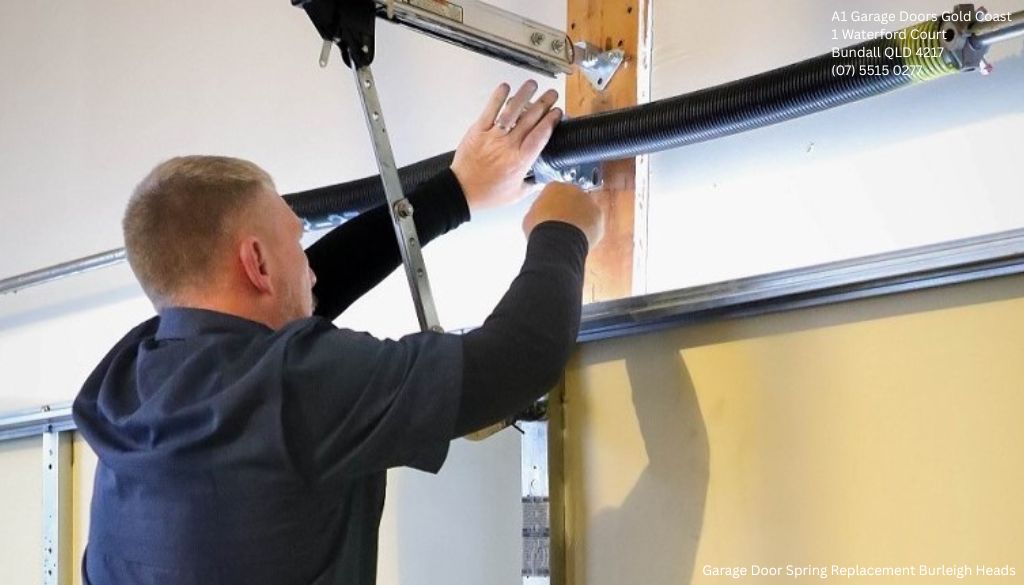
Torsion springs are mounted above the garage door on a metal shaft called the drive shaft. They operate by twisting, storing mechanical energy to offset the door’s weight during movement. Extension springs run along the sides of the garage door tracks and stretch out as the door closes, retracting to assist in lifting.
This spring mechanism is vital for door balance, ensuring that the garage door motor or manual effort can lift the door safely without strain. The correct spring tension directly corresponds to compensating for the door’s weight and maintaining proper garage door alignment and operation.
Why Adjusting Garage Door Spring Tension is Important
Adjusting the garage door spring tension properly is key to preserving door function and safety. Over time, springs experience fatigue and stretch due to repeated cycles, leading to decreased spring tension. This imbalance causes issues such as garage door repairs burleigh heads noisy operation, uneven door movement, or increased resistance when opening or closing.
Unaddressed spring corrosion or improper tension can lead to premature spring failure, risking sudden breakage and potential injury. Correct spring tension ensures smooth garage door cycling, extends door spring life, reduces stress on garage door hardware and opener components, and supports overall garage door safety.
Tools Required for Safe Garage Door Spring Tension Adjustment
Before attempting to adjust your garage door spring tension, gather the following essential tools designed specifically for the task:
- Winding Bars: Steel rods used to safely wind or unwind torsion springs via the winding cone.
- Spring Gauge: Measures spring tension to ensure accurate calibration.
- Spring Hook: Helps manipulate extension springs and cables during adjustment or replacement.
- Cable Drum and Cable Pulley: Integral parts of the torsion spring counterbalance system involved during adjustment.
- Garage Door Hardware Kit: Includes various nuts, bolts, and brackets for spring and cable securement.
Using the correct tools minimizes risk and improves the precision of your spring tension adjustments.
Step-by-Step Guide to Adjusting Torsion Springs
Adjusting torsion springs requires care due to their high tension. Follow these steps carefully:
- Secure the Door: Ensure the garage door is fully closed and disconnect the garage door opener to prevent accidental activation.
- Identify the Winding Cone: Locate the winding cone attached to the torsion spring on the drive shaft.
- Insert Winding Bars: Use appropriate-sized winding bars to insert into the holes of the winding cone.
- Release Some Tension: Carefully unwind the spring by slowly lowering the winding bars one turn at a time to reduce tension if necessary for adjustment.
- Adjust Spring Tension: To increase tension (if the door is heavy), wind the cone upward using winding bars. For decreasing tension, unwind the spring accordingly.
- Test Door Balance: Conduct a door tension test by manually lifting the door halfway. It should stay in place without moving up or down.
- Secure and Retighten: Once correct tension is achieved, tighten set screws on the winding cone securely to hold the spring in place.
- Reconnect Opener and Test: Reconnect the garage door motor and test automatic operation ensuring smooth and balanced movement.
Always use winding bars — never screwdrivers or improvised tools — and wear protective gloves and eyewear.
Step-by-Step Guide to Adjusting Extension Springs
Extension springs run parallel to the garage door tracks. Here’s how to adjust their tension:
- Ensure Safety: Close the garage door and disconnect the garage door opener for safety.
- Inspect Lift Cables: Examine the garage door cables for fraying or damage before proceeding with adjustments.
- Relieve Spring Tension: Using spring hooks, carefully unhook the extension spring from the spring anchor to decrease tension.
- Adjust Cable Length: Tighten or loosen the cable pulleys or cable drums to alter cable tension, which affects spring tension.
- Reattach Spring: Safely hook the extension spring back onto its anchor point once the desired tension is reached.
- Test Door Movement: Manually lift and lower the door to verify if the springs are counterbalancing the door weight correctly.
- Fine-Tune If Needed: Repeat the process adjusting tension incrementally until door balance is restored.
Extension spring tension adjustment requires careful handling due to the risk of spring snap and injury. Cable safety and spring replacement considerations must be respected.
Common Warning Signs That Indicate Spring Tension Needs Adjustment
- Garage Door Noise: Excessive creaking or grinding sounds during door operation indicate worn or loose springs.
- Uneven Door Movement: Door appears crooked or moves unevenly along garage door tracks.
- Door Not Closing Fully: The garage door stops midway or struggles to close.
- Visible Spring Wear: Rust, corrosion, or stretching visible on torsion or extension springs.
- Door Feels Heavy: Manual lifting requires more effort than usual, indicating loss of spring tension.
Noticing these signs early helps avoid sudden spring breakage and costly repairs.
Safety Precautions and Best Practices When Adjusting Springs
- Always use winding bars designed for torsion spring adjustment; never substitute with screwdrivers or other tools.
- Wear protective eye gear and gloves to prevent injuries from spring snaps.
- Disconnect the garage door opener motor and unplug the remote controls to avoid accidental door movement.
- Follow manufacturer’s guidelines and respect the recommended garage door safety mechanisms.
- Avoid performing adjustments alone; having a helper increases safety during spring winding tension changes.
- Regularly check all lift cables, cable drums, garage door rollers, and hardware to maintain optimal door function and safety.
Maintenance Tips to Prolong Garage Door Spring Life
Routine maintenance is essential to extend the door spring life and keep your garage door operating smoothly:
- Lubricate Springs Regularly: Use a silicone-based or garage door-specific lubricant to reduce friction and rust formation.
- Inspect for Corrosion: Clean off dirt and check for rust on springs, replacing any significantly corroded springs promptly.
- Check Door Alignment: Ensure garage door tracks and panels are aligned to prevent undue stress on springs and cables.
- Perform Door Balance Tests: Open the door halfway manually; it should hold position without drifting.
- Follow a Maintenance Schedule: Inspect and lubricate springs, cables, rollers, and hardware every six months at minimum.
When to Call a Professional for Garage Door Spring Adjustment
While some homeowners comfortable with DIY might attempt spring tension adjustment, certain scenarios strongly warrant professional intervention:
- If you notice significant spring fatigue or corrosion that might require spring replacement.
- When the adjustment involves complex torsion springs requiring expert winding and set screw tightening.
- If the garage door motor or garage opener is malfunctioning simultaneously with spring tension issues.
- If you lack the proper tools such as winding bars or spring gauges.
- For ensuring compliance with safety standards and warranty conditions.
Professional garage door technicians have the experience and equipment to safely adjust and repair springs, reducing injury risk and saving time.
Frequently Asked Questions About Garage Door Spring Tension Adjustment
What tools do I need to adjust garage door spring tension safely?
You need winding bars for torsion springs, a spring gauge for measuring tension, spring hooks for extension springs, and basic garage door hardware tools such as wrenches and pliers.
How often should I adjust my garage door springs?
Generally, springs are preset to last tens of thousands of cycles without adjustment. However, inspect your springs every six months and adjust tension if you notice door imbalance or operational issues.
Can I adjust garage door spring tension myself or should I hire a professional?
If you have the right tools and experience, minor adjustments on extension springs can be done safely. Torsion spring adjustments carry higher risks and are better left to professionals.
What are the risks of incorrect spring tension adjustment?
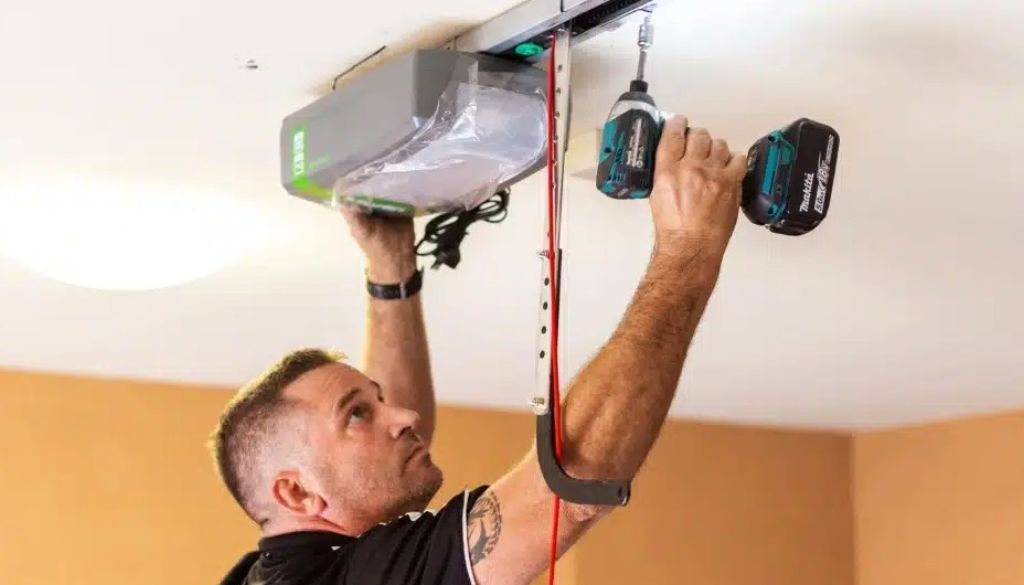
Incorrect tension can cause door imbalance, excessive wear on door hardware, sudden spring breakage, or personal injury from snapping springs.
How do I know if my garage door spring needs to be replaced instead of adjusted?
Signs like deep rust, visible cracks, stretched springs beyond recovery, or frequent snapping noises indicate the need for spring replacement.
What is the difference between torsion and extension springs?
Torsion springs twist above the garage door on a shaft and usually last longer with quieter operation. Extension springs stretch alongside the tracks and are generally easier but riskier to adjust.
How can I test the balance of my garage door after spring adjustment?
Manually lift the door halfway. A balanced door stays put without moving up or down. If it sinks or rises, spring tension needs further adjustment.
Why is my garage door making noise after spring adjustment?
Noise can result from insufficient lubrication, misaligned springs, or loose hardware. Regular lubrication and tightening can reduce noise.
How long does a garage door spring typically last?
Most springs are rated for 10,000 to 20,000 cycles, translating to about 7-10 years depending on use and maintenance.
What safety precautions should I take when adjusting garage door springs?
Always use the correct winding bars, wear safety gear, disconnect power to the opener, work with a partner, and follow manufacturer instructions strictly.
In summary, garage door spring tension adjustment is a critical maintenance task that ensures your garage door operates safely and efficiently. By understanding the types of springs, using the correct tools, following detailed procedures, and respecting safety precautions, you can confidently maintain your garage door’s counterbalance system. Always consider calling a professional if you feel uncertain or encounter complex issues, safeguarding both your property and personal safety.